When Bird Nests Become a Ventilation and Fire Safety Issue
When bird nests become a ventilation and fire safety issue, local contractors can safely remove nests and prevent hazards in your home.
If bird nests are building up near your property’s ventilation systems, it can lead to more than just an unwanted visitor. Blocked vents and accumulated debris can impair airflow, causing your heating and cooling systems to work harder and potentially leading to increased energy costs. Additionally, nests can pose significant fire hazards, especially when they obstruct vents or electrical components. Property owners in the area who notice signs of nesting activity or suspect that nests are affecting their ventilation should explore professional removal options to keep their homes and buildings safe and functioning efficiently.
Understanding when bird nests become a ventilation and fire safety issue is crucial for maintaining a secure environment. Local contractors specializing in bird nest removal are equipped to handle these situations safely and effectively, helping prevent blockages and reducing fire risks. Whether it’s a small build-up or a more extensive nesting site, connecting with experienced service providers can ensure that nests are removed properly, minimizing potential hazards. Keep reading to learn more about how local experts can assist in resolving bird nest-related concerns and safeguarding your property.
- Bird nest removal services are needed when bird nests obstruct ventilation systems, potentially causing poor airflow and indoor air quality issues. Local contractors can safely remove nests from vents and attic spaces to prevent blockages that compromise ventilation. Bird nest removal services become essential when nests pose fire hazards by building up near electrical fixtures or heat sources. Local pros can carefully dismantle nests in these high-risk areas to reduce fire risks. Bird nest removal services are crucial when nesting materials clog exhaust vents, leading to moisture buildup and mold growth that threaten indoor health and safety. Local service providers can clear these obstructions to maintain proper ventilation and prevent fire safety concerns.
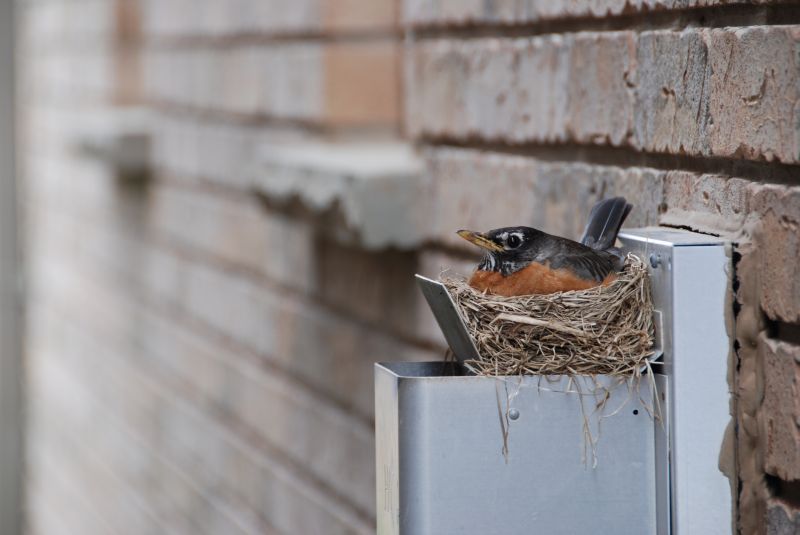
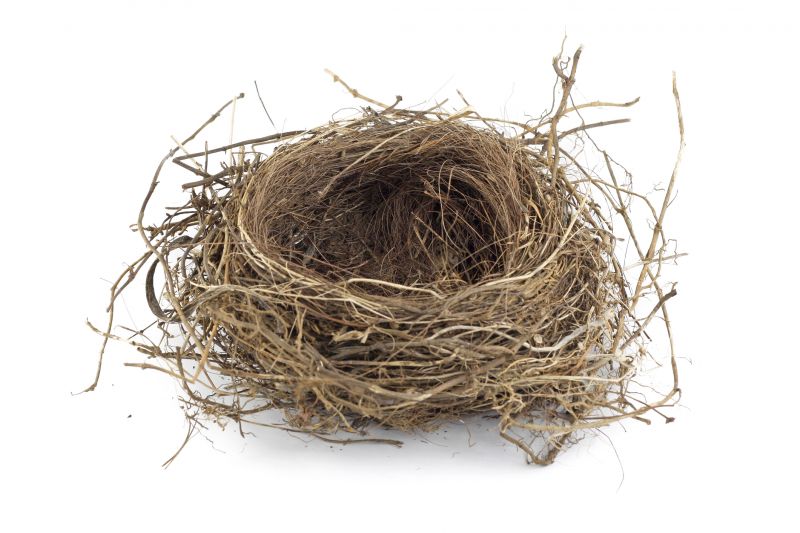
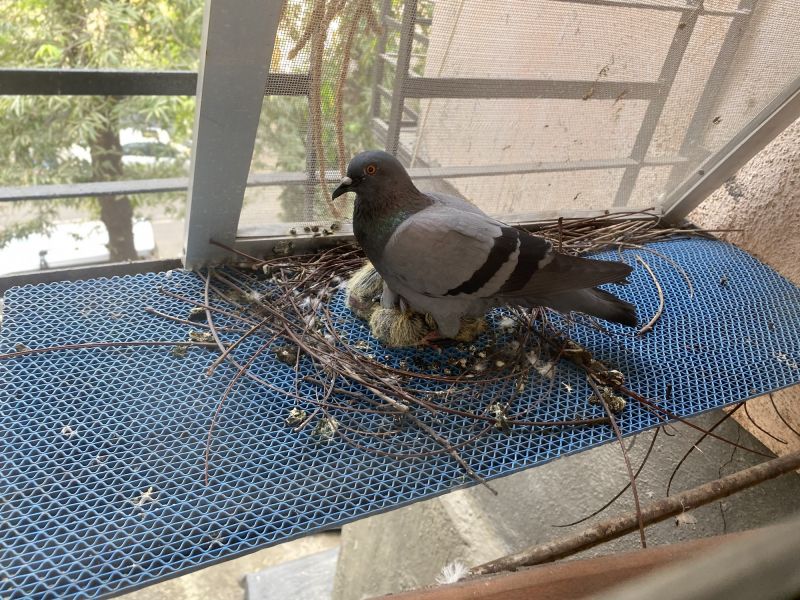
When people search for information about when bird nests become a ventilation and fire safety issue, they are often concerned about the potential hazards that bird nests can create within their properties. Bird nests can obstruct vents, chimneys, and exhaust fans, which are essential for proper airflow and indoor air quality. Blockages caused by nests can lead to poor ventilation, increased indoor humidity, and even the buildup of harmful gases. Additionally, these nests may pose fire risks if they come into contact with heat sources or electrical components, increasing the chance of sparks or fires starting. Homeowners may notice reduced airflow or unusual odors, prompting them to investigate whether bird nests are the cause.
This topic relates closely to property maintenance and safety planning, especially for those with venting systems or chimneys. It is common for individuals to seek solutions when they discover nests blocking vents or chimneys, or when they observe signs of nesting activity. Such problems can interfere with heating, cooling, and exhaust systems, making it necessary to remove the nests and prevent future blockages. In some cases, property owners plan regular inspections or install deterrents to keep birds from nesting in problematic areas. Addressing these issues promptly can help maintain proper ventilation and reduce fire hazards associated with nesting materials, such as dry twigs and leaves, which are highly flammable.
Properties that are most often affected by bird nests becoming a ventilation and fire safety issue include residential homes, especially those with chimneys, attic vents, or exhaust outlets located near trees or other nesting sites. Commercial buildings, such as restaurants with ventilation hoods or industrial facilities with exhaust systems, can also experience similar problems. Structures with open eaves, soffits, or unused vents are particularly vulnerable because they provide easy access for birds to build nests. In rural or suburban areas, where natural nesting sites are abundant, the likelihood of encountering these issues is higher. Local service providers specializing in bird nest removal can help address these concerns by safely clearing nests and advising on measures to prevent recurrence.
Understanding when bird nests become a ventilation and fire safety issue highlights the importance of timely intervention. Homeowners and property managers should be aware of the signs of nesting activity and the potential hazards involved. Engaging with experienced local contractors who specialize in bird nest removal can ensure that nests are removed safely and efficiently. These professionals can also offer advice on installation of deterrents or barriers to prevent future nesting in critical areas. Properly managing bird nests not only helps maintain effective ventilation but also reduces the risk of fire hazards, making it a key aspect of property safety and maintenance.
Gutter and Roof Vent Screen Installation - professionals who install screens to prevent bird nests can help reduce blockages that lead to ventilation and fire safety issues.
Chimney and Vent Pipe Cleaning - service providers experienced in cleaning vents and chimneys can address nesting debris that may cause airflow obstructions and fire hazards.
Bird Deterrent System Installation - local contractors skilled in installing bird deterrent devices can help prevent nests from forming in critical ventilation areas.
Roof Inspection and Damage Repair - experts who assess roof integrity can identify areas where bird nests might cause ventilation problems or structural concerns.
Exhaust Fan and Vent Cover Replacement - technicians capable of replacing or repairing vent covers ensure proper airflow and reduce nesting opportunities.
Wildlife Removal and Nest Disruption - specialists who safely remove existing nests can help mitigate fire and ventilation safety risks associated with bird activity.
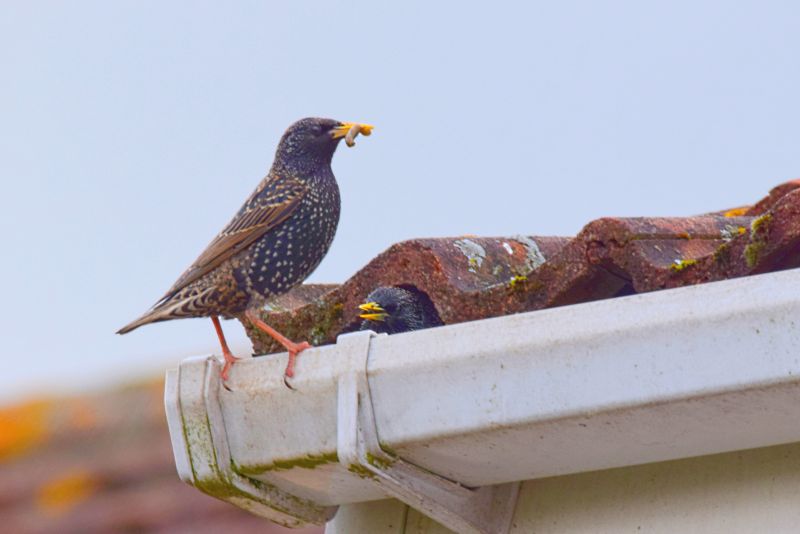
When evaluating service providers for bird nest removal related to ventilation and fire safety concerns, it’s important to consider their experience with similar projects. Homeowners should inquire about how long the contractor has been handling bird nest removal and whether they have worked on properties with comparable ventilation systems or fire safety issues. A contractor with a proven track record in addressing bird nests in ventilation areas will likely be more familiar with the potential challenges and the best practices for safe, effective removal. This experience can help ensure that the job is completed thoroughly, reducing the risk of future issues related to bird nests blocking airflow or creating fire hazards.
Clear written expectations are essential when selecting a local contractor for bird nest removal. Homeowners should seek detailed descriptions of the scope of work, including how the nests will be removed, what measures will be taken to prevent future nesting, and how the work will impact the ventilation system’s functionality. Having a well-defined plan helps avoid misunderstandings and ensures that both parties are aligned on the process and desired outcomes. Service providers who can articulate their approach clearly in writing demonstrate professionalism and transparency, making it easier to compare options and choose a contractor who meets specific needs.
Reputable references and strong communication are key factors in choosing a reliable service provider. Homeowners should ask for references from previous clients who had similar bird nest removal projects, especially those involving ventilation and fire safety concerns. Speaking with past customers can provide insights into the contractor’s reliability, quality of work, and how well they communicate throughout the process. Good communication also involves responsiveness to questions and a willingness to provide updates, which helps ensure the project proceeds smoothly. Selecting a local contractor known for clear, consistent communication and positive references can contribute to a more satisfactory experience and peace of mind during the removal process.
Property owners often search for when bird nests become a ventilation and fire safety issue when they are planning practical projects around their homes and businesses. Local pros provide Bird Nest Removal services for everyday jobs and straightforward project options.
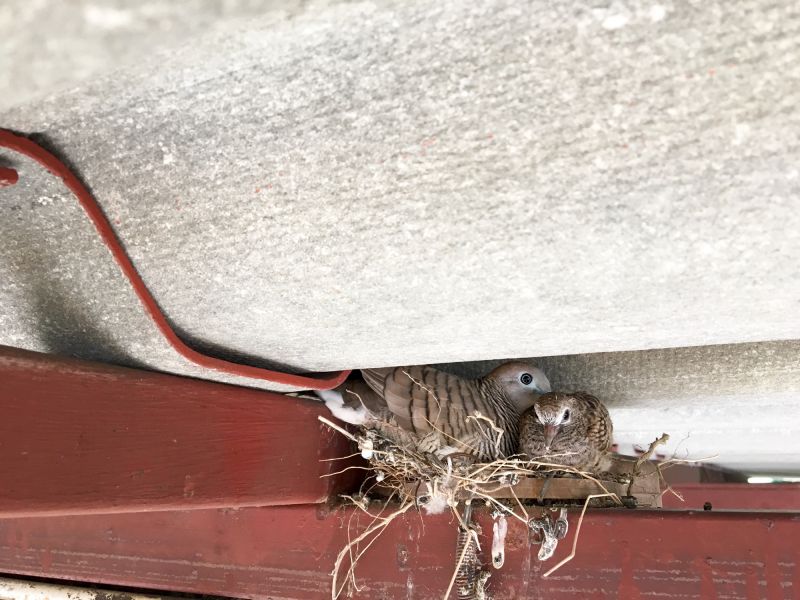
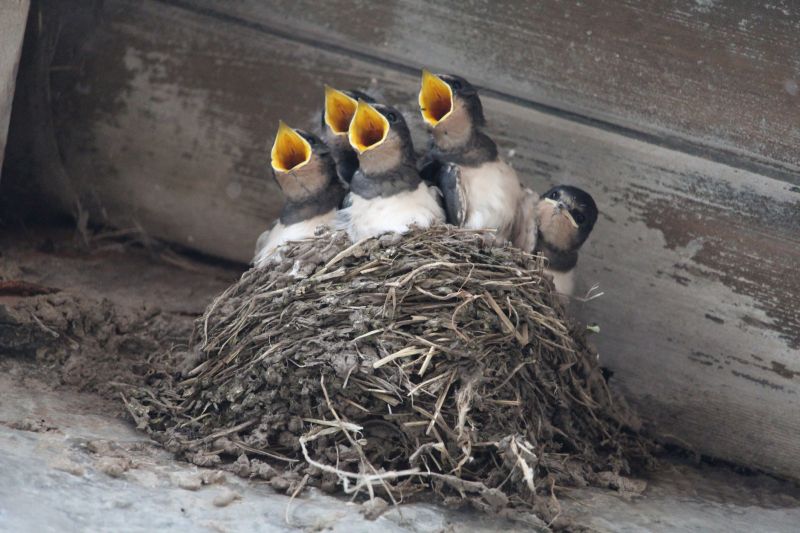
Bird nests that build up around vents and exhaust openings can pose significant ventilation issues for property owners. When these nests block airflow, it can lead to reduced efficiency of ventilation systems, increased indoor humidity, and potential mold growth. Additionally, the accumulation of nests and debris can create fire hazards, especially if nests come into contact with hot or sparking components of heating or exhaust systems. Property owners in the area often seek out local contractors to address these concerns promptly, ensuring that nests are safely removed and ventilation pathways are clear.
In many cases, bird nests in vent areas are a common sight during certain seasons, prompting property owners to consider professional removal services. Local service providers are equipped to handle the safe removal of nests and can inspect vents for any damage or blockages. Removing nests early can prevent larger issues such as pest infestations or fire risks, making it a practical step for maintaining safety and proper ventilation. Connecting with experienced local contractors can help ensure that the job is done correctly and efficiently, reducing the risk of future problems caused by bird nests.
How can bird nests cause ventilation issues? Bird nests can block vents and exhaust openings, reducing airflow and causing ventilation problems in the building.
Why are bird nests a fire safety concern? Bird nests made of dry materials can ignite if they come into contact with heat sources or electrical components, increasing fire risk.
When should bird nests be removed to prevent safety hazards? Bird nests should be removed by professionals when they obstruct ventilation systems or are located near electrical fixtures to mitigate fire and ventilation issues.
Are there risks involved in removing bird nests? Yes, improper removal can disturb wildlife or damage property; hiring experienced service providers ensures safe and effective removal.
How do local contractors handle bird nest removal for safety reasons? They assess the location, carefully remove the nests, and ensure vents and electrical areas are clear to maintain proper ventilation and fire safety.
Identify nesting hotspots - property owners can inspect attic vents and eaves regularly to spot bird nests early and prevent blockages that impact ventilation and fire safety.
Schedule professional removal services - engaging local contractors for bird nest removal ensures nests are safely and effectively cleared from ventilation systems.
Install deterrents - property owners might consider installing bird deterrent devices to prevent future nesting in critical ventilation areas.
Perform routine inspections - regular checks by local pros can help monitor for new nests and maintain proper ventilation and fire safety standards.
If you are thinking about when bird nests become a ventilation and fire safety issue for a property, this guide is meant to help you understand this topic, the typical project types, and how different options might fit your plans.
When you are ready, you can use the quote form on this page to share a few details about your project. From there, local pros can review the basics and follow up with options that match what you have in mind.