Humane Bird and Bat Deterrent Methods for Large Buildings
People searching for humane bird and bat deterrent methods for large buildings aim to prevent wildlife damage ethically, and local service providers can help implement effective, humane solutions.
If large buildings in the area are experiencing issues with birds or bats roosting or nesting, exploring humane deterrent methods can be an effective solution. Property owners often seek ways to manage these populations without causing harm, especially when the presence of birds and bats impacts building maintenance, cleanliness, or safety. Understanding the options available for humane bird and bat deterrent methods for large buildings can help maintain a healthy, pest-free environment while respecting local wildlife.
Connecting with experienced service providers who specialize in humane bird and bat deterrent methods for large buildings can provide tailored solutions that address specific needs. These local contractors are equipped to implement effective, humane strategies that prevent animals from settling on or within structures, reducing potential damage or health concerns. Keep reading to learn more about the practical approaches and how local experts can assist in creating a safe, animal-friendly solution for large properties.
- Humane Bird and Bat Deterrent Methods for Large Buildings - Building managers seeking to prevent bird and bat roosting may turn to local contractors who specialize in humane exclusion techniques.
- Humane Bird and Bat Deterrent Methods for Large Buildings - Property owners experiencing bird or bat infestations on expansive structures can find service providers skilled in humane removal and deterrent installation.
- Humane Bird and Bat Deterrent Methods for Large Buildings - Facilities with large rooftops or facades needing humane solutions for pest bird and bat management often work with local experts experienced in large-scale deterrent systems.
- Humane Bird and Bat Deterrent Methods for Large Buildings - Commercial building operators looking to implement humane bird and bat deterrent methods for large buildings can connect with local service providers who design effective exclusion strategies.
- Humane Bird and Bat Deterrent Methods for Large Buildings - Developers and property developers seeking humane approaches to prevent bird and bat issues during construction or renovation projects may consult local specialists in large building deterrent methods.

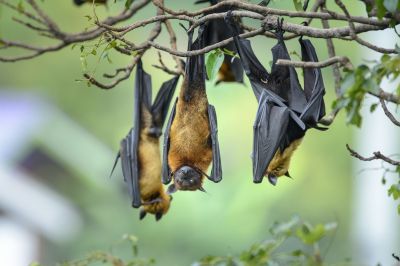
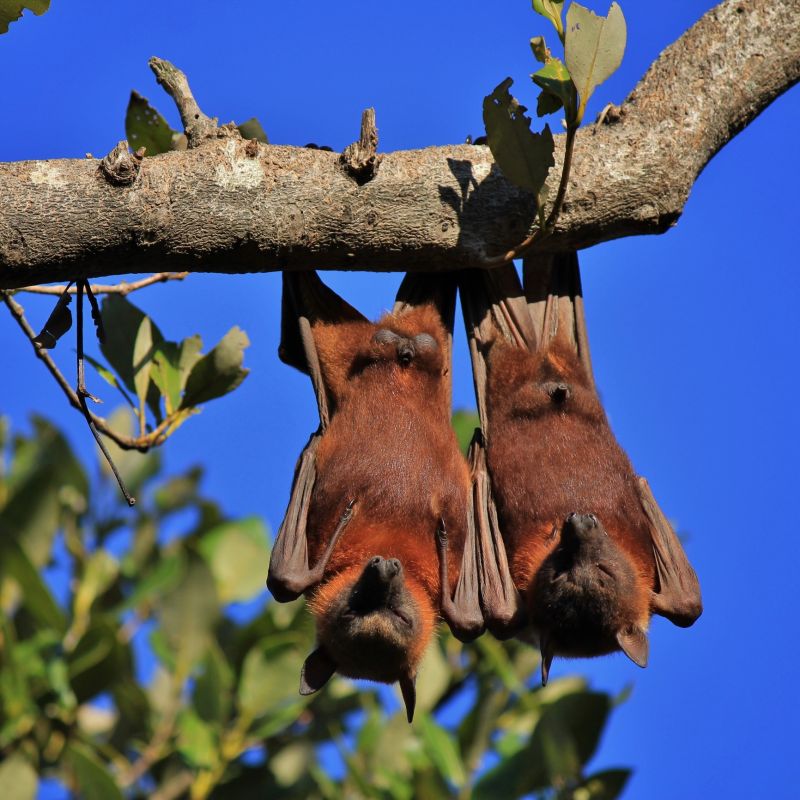
When searching for humane bird and bat deterrent methods for large buildings, most people are looking for ways to prevent these animals from roosting or nesting on their properties without causing harm. Large buildings such as commercial complexes, warehouses, office towers, and institutional facilities often attract flocks of birds or colonies of bats that seek shelter in crevices, overhangs, or rooftop areas. Property owners and managers typically want solutions that keep their structures clean and safe, while also respecting wildlife and avoiding the use of harmful deterrents. This search often stems from concerns about property damage, health risks related to droppings, or simply a desire to manage wildlife in a humane way.
These projects are usually related to problems like excessive bird droppings that can corrode building materials or create slip hazards, as well as bats nesting in difficult-to-access areas that can lead to contamination or structural issues. Planning for humane deterrent methods involves understanding the behavior of birds and bats, as well as the specific features of the building that attract them. Property owners may also be exploring long-term solutions that prevent animals from returning, rather than temporary fixes. Many are interested in methods that are effective but do not involve trapping, poisons, or other inhumane practices, making humane bird and bat deterrent methods a priority.
The types of properties where these concerns often come up include commercial office buildings, industrial warehouses, shopping centers, and large institutional facilities such as schools or hospitals. These structures typically have extensive rooflines, ledges, and open spaces that provide ideal roosting spots. In addition, buildings with decorative architectural features or large overhangs tend to be more attractive to birds and bats. Property owners and facility managers who want to maintain a clean, safe environment are likely to seek out local service providers who specialize in humane deterrent methods for large buildings, ensuring that the wildlife is managed responsibly without damaging the property or harming the animals.
Humane bird and bat deterrent methods for large buildings involve a variety of strategies designed to make the property less inviting to these animals. These include installing physical barriers like bird netting or spikes, using visual or auditory deterrents that mimic predator presence, and modifying the structure to eliminate roosting sites. Local contractors who specialize in these humane methods understand how to assess each property’s unique features and develop tailored solutions that keep animals away while respecting their role in the ecosystem. For property owners, working with these experienced service providers helps ensure that wildlife management is handled effectively, ethically, and in accordance with local regulations.
Bird exclusion projects involve installing physical barriers and deterrents on large buildings, requiring planning and knowledge of humane methods to prevent bird entry.
Bat roost removal services focus on humane techniques to safely exclude bats from large structures, sharing skills in building assessment and humane wildlife control.
Building wildlife exclusion projects utilize similar planning and installation skills to prevent various species from entering large buildings using humane strategies.
Bird spike and net installation services are related to humane bird deterrent methods, requiring precise application to protect large building facades without harm.
Wildlife habitat modification involves adjusting building surroundings to discourage bird and bat presence, requiring planning skills similar to humane deterrent methods.
Large-scale pest exclusion projects share techniques in humane wildlife management, focusing on preventing bird and bat issues on large building exteriors.
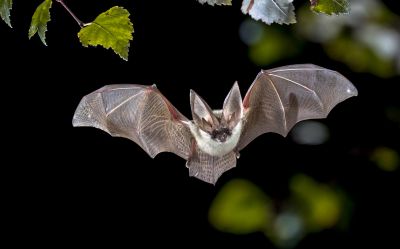
When evaluating service providers for humane bird and bat deterrent methods for large buildings, it is important to consider their experience with similar projects. An experienced contractor will have a clear understanding of the unique challenges that large structures present and will be familiar with effective humane strategies tailored to such environments. Asking about their past work on comparable buildings can provide insight into their familiarity with the specific methods needed to safely and effectively deter birds and bats without causing harm.
Clear written expectations are essential to ensure that both the homeowner and the service provider are aligned on the scope of work, methods to be used, and the desired outcomes. A reputable contractor should be able to provide detailed descriptions of the humane deterrent techniques they plan to implement, along with an outline of the process and any necessary follow-up. Having these expectations documented helps prevent misunderstandings and ensures that the project proceeds smoothly and transparently.
Good communication and reputable references are key indicators of a reliable service provider. A professional contractor should be willing to share references from previous clients who have had similar work done, allowing homeowners to gauge satisfaction and quality of service. Additionally, clear and responsive communication throughout the planning and execution phases helps ensure that questions are answered and concerns addressed promptly. This level of engagement can contribute significantly to a positive experience when choosing a provider for humane bird and bat deterrent methods for large buildings.
Property owners often search for humane bird and bat deterrent methods for large buildings when they are planning practical projects around their homes and businesses. Local pros provide Humane Bird and Bat Deterrent Methods services for everyday jobs and straightforward project options.

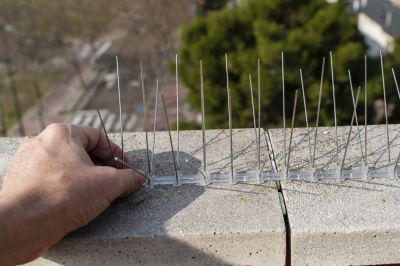
Many property owners in the area find themselves dealing with birds and bats roosting on large buildings, which can lead to issues like property damage, noise, and debris buildup. Searching for humane bird and bat deterrent methods for large buildings is a common step for those looking to address these concerns responsibly. Local contractors who specialize in these services can provide effective solutions that help keep these animals away without causing harm, making it easier to maintain a clean and safe environment.
Property managers and building owners often seek humane deterrent methods to prevent birds and bats from nesting or roosting on their structures. They may want to avoid invasive or harmful approaches while ensuring compliance with local regulations. Service providers in the area are experienced in installing humane deterrent systems, such as bird spikes, netting, or bat exclusion devices, that can be tailored to the specific needs of large buildings. Consulting with these local experts can help property owners implement effective, humane solutions that protect their property and support ethical treatment of wildlife.
What are humane bird and bat deterrent methods for large buildings? Humane bird and bat deterrent methods for large buildings include installing physical barriers, visual deterrents, and acoustic devices that discourage birds and bats from roosting without causing harm.
How do professional service providers implement humane bird and bat deterrent methods? Local contractors assess building structures and wildlife activity to recommend and install humane deterrent systems tailored to the specific needs of the building and its surroundings.
Are humane bird and bat deterrent methods effective for large buildings? Yes, when properly installed and maintained by experienced service providers, humane deterrent methods can effectively reduce bird and bat presence on large buildings.
Can humane deterrent methods be customized for different types of large buildings? Absolutely, local service providers can customize deterrent solutions based on the building’s design, location, and the types of birds or bats in the area.
What should be considered when choosing humane bird and bat deterrent methods for large buildings? It’s important to consider the building’s structure, wildlife behavior, and environmental regulations; local service providers can advise on the most appropriate humane methods for each situation.
Bird and Bat Deterrent Devices - Installing humane deterrent devices like visual or auditory repellents can help discourage birds and bats from roosting on large building exteriors. Local contractors can assist with proper placement to ensure effective and humane results.
Exclusion and Barrier Methods - Applying physical barriers such as netting or one-way entry systems allows birds and bats to leave without returning, protecting building structures while maintaining humane treatment. Experienced service providers can tailor these solutions to specific building designs.
Habitat Modification Strategies - Removing or altering features that attract birds and bats, like nesting sites or overhangs, can reduce their presence on large buildings. Local experts can advise on humane habitat modifications that discourage roosting behavior.
Regular Maintenance and Inspection - Conducting routine checks for signs of bird or bat activity and promptly addressing issues helps prevent large colonies from establishing on buildings. Skilled service providers can implement humane deterrent practices during maintenance visits.
If you are thinking about humane bird and bat deterrent methods for large buildings for a property, this guide is meant to help you understand this topic, the typical project types, and how different options might fit your plans.
When you are ready, you can use the quote form on this page to share a few details about your project. From there, local pros can review the basics and follow up with options that match what you have in mind.